The Blank Page at Table Six: What a Coffee Shop Notebook Taught Me About Strangers

Photo: Dietmar Rabich, CC BY-SA 4.0, via Wikimedia Commons
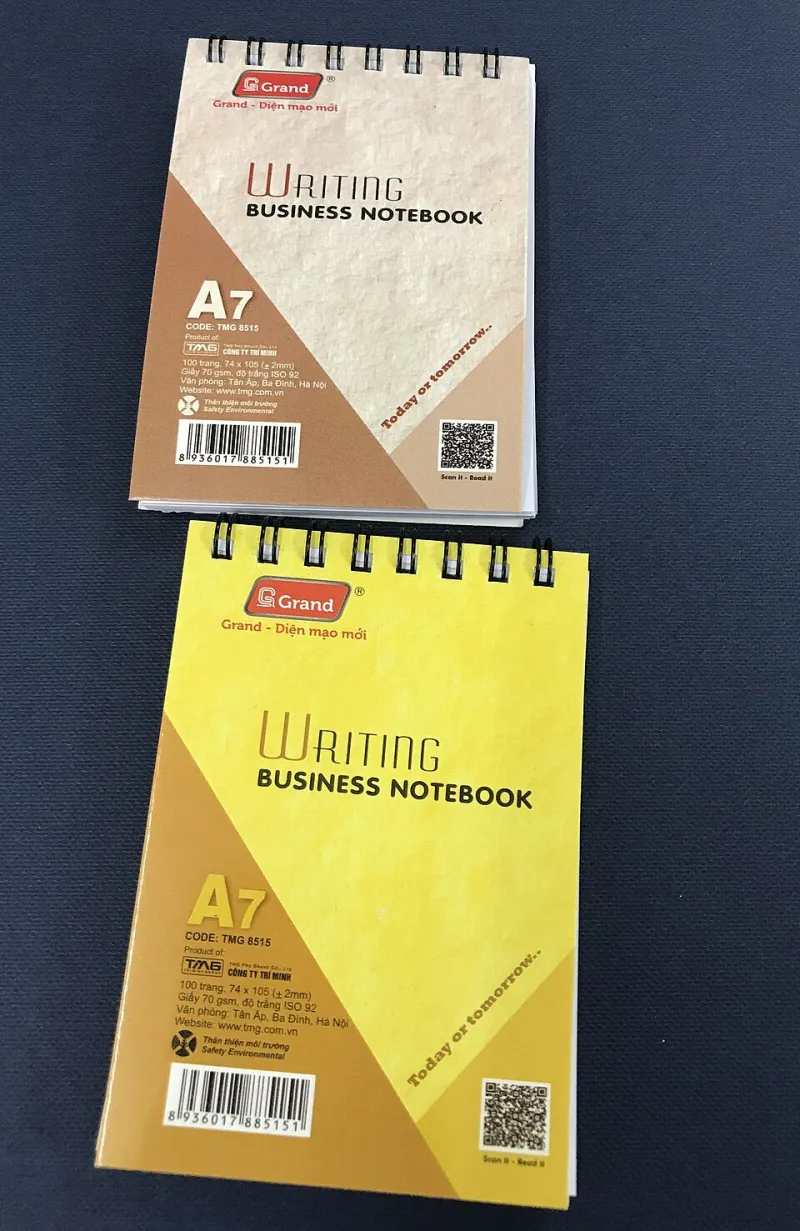
On a gray Tuesday in October, I sat at the wobbly table by the window of my neighborhood coffee shop and committed a small act of littering with hope. I left a $3.49 composition notebook behind, with a note taped to the cover: 'This notebook is for you. Write a secret, a small joy, or a thought you cannot say out loud. No names needed. Leave it for the next person.' Then I ordered a drip coffee I did not need and tried not to stare at the table like a hawk.
I had told myself the experiment would last two weeks. I would check in every morning, collect the notebook at closing, and see what strangers had written. I expected doodles. Maybe a phone number. Maybe someone would use it to write a grocery list. By the end, forty-one people had written something, and one person had drawn a very good cat.
The Prompt Was Supposed to Be Simple
I thought people would write bucket lists. I thought I would get jokes about caffeine and weather. Instead, the notebook became a low-stakes confessional, the kind of place where people say things they would never post online because there is no profile picture attached.
One page said, 'I am 34 and I still check my ex's LinkedIn.' Another said, 'I pretend I know how to pronounce quinoa.' Someone wrote, 'I am afraid I am the friend people tolerate.' Someone else admitted, 'I ate my kid's Halloween candy and blamed the dog.' One entry just said, 'I miss my mom's voicemail.' Another said, 'I think I am in love with someone I should not be.'
I have changed identifying details, and I left out anything that read like a genuine cry for help. This was a notebook, not a crisis line. But even the lighter entries had a surprising amount of weight. These were not grand secrets. They were the small, daily performances we all do, written down by people who were tired of performing.
The Confessions Were Smaller Than I Expected
What struck me was how ordinary most of the confessions were. Nobody confessed to a crime. Nobody revealed a hidden double life. Instead, people admitted to loneliness, jealousy, exhaustion, and the weird relief of canceling plans.
'I smile at work until my face hurts,' one person wrote. Another said, 'I tell people I am busy because I do not know how to say I am lonely.' Someone wrote, 'I am scared I peaked in high school and I did not even peak that hard.'
That last one made me laugh out loud in the café, which is not a great look when you are pretending to be a person who reads quietly. But it also made me realize how much of adult life is spent managing the gap between what we feel and what we think we are allowed to say. The notebook did not create that gap. It just gave people a place to set it down for a minute.
The Tiny Joys Were the Real Reveal
The prompt asked for secrets or small joys, and I expected the joys to be the filler. They were not. They were the best part.
'The barista remembered my order.' 'My dog tilted his head at the mailman.' 'I found a parking spot downtown on the first try.' 'A stranger said they liked my jacket.' 'I finished a book for the first time since college.' 'The first cold morning when your coat smells like last winter.'
One person drew a sun with a smiley face. Another wrote, 'I made soup and it was actually good.' Someone wrote, 'I hope the person who reads this has a good day. I mean it.'
I think we assume big secrets make us interesting. Small joys make us knowable. A stranger admitting they were proud of their soup is not dramatic, but it is honest in a way that a curated Instagram caption rarely is. It is the kind of thing you only say when you are not trying to be impressive.
What Anonymity Does to Honesty
No names meant no reputation management. People could be tender without being perceived. They could admit to being lonely without worrying that a coworker would see. They could brag about finding a parking spot without sounding like a person who brags about finding a parking spot.
But anonymity also made me realize how rarely we ask. We sit next to strangers on trains and in waiting rooms and at coffee shop tables, and we assume they are fine because they are upright and holding a phone. The notebook was not magic. It was permission. It was a small, paper invitation to be a person in public.
Maya, the barista who worked most mornings, told me people kept asking if the notebook was 'a thing.' She started leaving an extra pen next to it. The pen got stolen twice. I replaced it. That felt like part of the experiment.
The Notebook Is Still Talking
I took the notebook home after two weeks, but not before leaving a final page: 'Thank you for trusting the paper.' I still flip through it sometimes, usually when I am feeling cynical about people or about the internet or about the general direction of everything.
My favorite entry is still the one that says, 'I am trying to be less weird at parties. It is not going great.' Another favorite: 'I hope the person who reads this has a good day. I mean it.'
I did not solve loneliness. I did not become a better person. I did, however, stop treating strangers as background characters. Also, my coffee budget is now a problem. If you see a notebook at a café, read it gently. Maybe write something. No names needed.